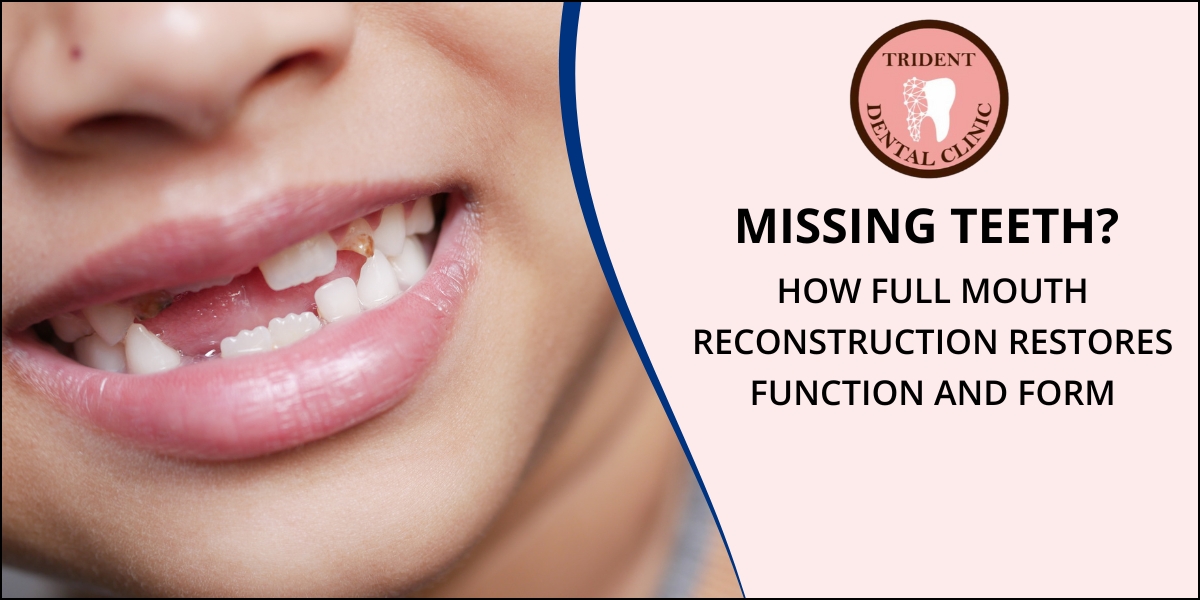
Missing Teeth? How full mouth reconstruction restores function and form. A bright, confident smile does more than just light up a room; it’s essential for chewing, speaking, and feeling good about yourself. But if you’re struggling with multiple missing, damaged, or decayed teeth, that foundation can feel lost. Everyday joys like sharing a laugh or enjoying a crunchy apple can become sources of anxiety. The good news is that modern dentistry offers a comprehensive solution: full mouth reconstruction. It’s not just about aesthetics; it’s about rebuilding your oral health from the ground up. What is Full Mouth Reconstruction? Think of it as a customized renovation plan for your entire mouth. Unlike a single procedure, full mouth reconstruction combines various restorative and cosmetic treatments tailored to your unique needs. The goal is twofold: to restore the full function of your teeth and jaws and to create a beautiful, natural-looking smile. Whether your issues stem from injury, long-term wear, gum disease, or extensive decay, this coordinated approach addresses them all. Restoring What Matters Most: Function Your teeth are a complex system. When parts are missing or broken, the whole system suffers. Difficulty chewing can lead to poor nutrition and digestive problems. Jaw pain, headaches, and accelerated wear on remaining teeth are also common. Full mouth reconstruction fixes this by: Rebuilding Bite Alignment: Using crowns, bridges, or implants to create a balanced, even bite. Replacing Missing Teeth: Dental implants are often the gold standard, acting as artificial tooth roots that prevent bone loss and support new teeth. Treating Underlying Issues: Addressing gum disease or TMJ disorders to create a stable, healthy foundation. Once your bite is restored, you can eat your favorite foods with ease and without pain, which is a fundamental part of enjoying life. Bringing Back Confidence: Form While function is the priority, the transformational impact on your appearance is profound. Missing or damaged teeth can make you look older and affect your self-esteem. Full mouth reconstruction carefully designs a smile that complements your facial structure. This might involve: Dental Crowns & Veneers: To repair and perfect the shape and color of damaged teeth. Teeth Whitening: For a uniformly bright smile. Implant-Supported Bridges or Dentures: To fill gaps seamlessly and support facial muscles, preventing a sunken appearance. The result is a smile that looks and feels completely natural—one you’re proud to show off. Is It Right For You? If you have multiple dental problems affecting your daily life, this could be your path forward. The first step is a detailed consultation with a skilled dentist. They will examine your teeth, gums, jaw, and bite, then craft a step-by-step plan just for you. The journey may take time, but regaining a healthy, fully functional, and beautiful smile is an investment in your overall well-being that lasts a lifetime. If you are looking for missing teeth treatment in Kharadi, consider visiting Trident Dental Clinic. Schedule a consultation to explore your journey towards a complete and confident smile. FAQs About Full Mouth Reconstruction 1. What is full mouth reconstruction?It’s a customized combination of dental procedures (like implants, crowns, or bridges) designed to rebuild all damaged or missing teeth, restoring both function and aesthetics. 2. How long does full mouth reconstruction take?The timeline varies per individual case, but it typically ranges from several months to over a year, depending on the treatments needed. 3. Is full mouth reconstruction painful?Modern dentistry uses effective anesthesia and sedation options. While some discomfort is expected after procedures, it is manageable with medication and care. 4. What are the benefits over single procedures?It comprehensively addresses all oral health issues at once for a balanced, healthy, and long-lasting result, rather than fixing problems in isolation. 5. How much does full mouth reconstruction cost?Costs vary widely based on the required treatments. A detailed consultation with a dentist is needed for an accurate estimate and to discuss potential payment options. Recent Posts Get In Touch Name(Required) First Phone(Required)Message(Required)CAPTCHA
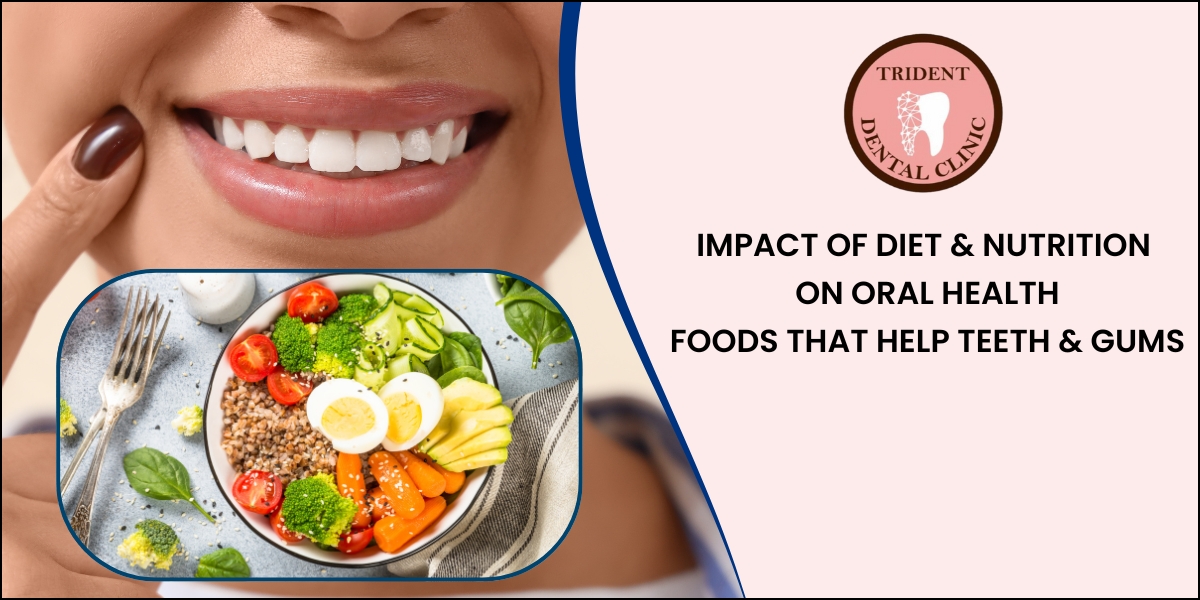
Impact of Diet & Nutrition on Oral Health – Foods That Help Teeth & Gums
Impact of Diet & Nutrition on Oral Health — Foods That Help Teeth & Gums We all know the drill: brush twice a day, floss regularly, and visit the dentist. But what if a key pillar of a healthy, radiant smile wasn’t in your bathroom cabinet, but in your kitchen? The truth is, your diet and nutrition play a starring role in the health of your teeth and gums. It’s a two-way street—what you eat can either fortify your mouth’s defenses or accelerate decay and disease. Let’s explore the powerful impact of nutrition and discover the top foods that act as natural allies for your oral health. The Foundation: How Nutrients Protect Your Smile Your mouth is a complex ecosystem. Essential nutrients help maintain strong tooth enamel (the hard, outer layer), support healthy gums, regulate saliva production, and influence the balance of good and bad bacteria. Calcium & Phosphorus: These minerals are the building blocks of enamel. They help remineralize teeth, repairing microscopic cavities before they become major issues. Vitamin D: The crucial companion to calcium, Vitamin D enhances its absorption and boasts anti-inflammatory properties for the gums. Vitamin C: A powerhouse for gum health, it strengthens blood vessels and connective tissue, helping to hold teeth in place and protect against gingivitis. Vitamin A: Essential for maintaining healthy mucous membranes and saliva flow, which naturally cleanses the mouth. Antioxidants: Found in abundance in fruits and vegetables, they fight bacterial inflammation and protect gum tissue. Water: Nature’s ultimate rinse! It hydrates gums, stimulates saliva, and helps wash away food particles and acids. The Smile-Friendly Shopping List: Foods That Help Incorporate these nutritional heroes into your diet for a proactive boost to your oral health. 1. Crunchy Fruits & Vegetables (Apples, Carrots, Celery)Often called “nature’s toothbrushes,” their crunchy texture stimulates gums, increases saliva flow, and helps mechanically clean tooth surfaces. 2. Dairy & Fortified Alternatives (Cheese, Milk, Yogurt)Rich in calcium and phosphates, cheese helps balance your mouth’s pH and promotes remineralization. Yogurt contains probiotics that may benefit gum health by crowding out harmful bacteria. 3. Leafy Greens (Spinach, Kale)Packed with vitamins, minerals, and calcium, they help build enamel and often contain folic acid, a type of B vitamin that promotes gum health. 4. Nuts and Seeds (Almonds, Sesame Seeds)Excellent sources of calcium and phosphorus. Chewing nuts also stimulates saliva. Sesame seeds, in particular, can help gently scrub plaque from teeth. 5. Lean Proteins (Fish, Chicken, Eggs, Tofu)Rich in phosphorus. Fatty fish like salmon are a top source of Vitamin D, making the calcium in your diet work harder for your teeth. 6. Green & Black TeasContain polyphenols that suppress the growth of bacteria responsible for plaque and acid production. Just watch the sugar! 7. Water, Especially Fluoridated WaterThe best beverage for your overall and oral health. Fluoride is a proven enamel warrior, making teeth more resistant to decay. Foods & Habits to Consume with Caution The villains in our story are often no surprise, but awareness is key: Sugary Snacks & Drinks: Sugar feeds harmful oral bacteria, which produce acid that erodes enamel. Sticky & Starchy Foods: Crackers, chips, and dried fruit can cling to teeth, providing a long-term feast for bacteria. Acidic Foods & Drinks: Citrus, sodas, and sports drinks can directly erode enamel. Enjoy in moderation and rinse with water afterwards. Constant Grazing: Frequent eating or sipping sugary drinks creates a constant acid bath in your mouth. Try to limit eating to mealtimes. Your Action Plan for a Diet-Friendly Smile Pair Smartly: If you consume something acidic or sugary, pair it with a meal to minimize acid exposure. Rinse & Hydrate: Swish with water after eating or drinking to neutralize acids and wash away debris. Timing Matters: Wait at least 30 minutes after eating before brushing, especially after acidic foods, to avoid brushing softened enamel. Chew Sugar-Free Gum: A great saliva stimulator after a meal if you can’t brush. Ready to see how your diet and dental health measure up? The expert team at Trident Dental Clinic in Kharadi is here to help. At Trident Dental Clinic, the best dental clinic in Kharadi, we don’t just treat problems—we work with you to understand your lifestyle and provide comprehensive guidance, from nutritional advice to advanced treatments, ensuring your smile receives the best care possible. Schedule your consultation today and take a proactive step towards lifelong oral health. Recent Posts Get In Touch Name(Required) First Phone(Required)Message(Required)CAPTCHA
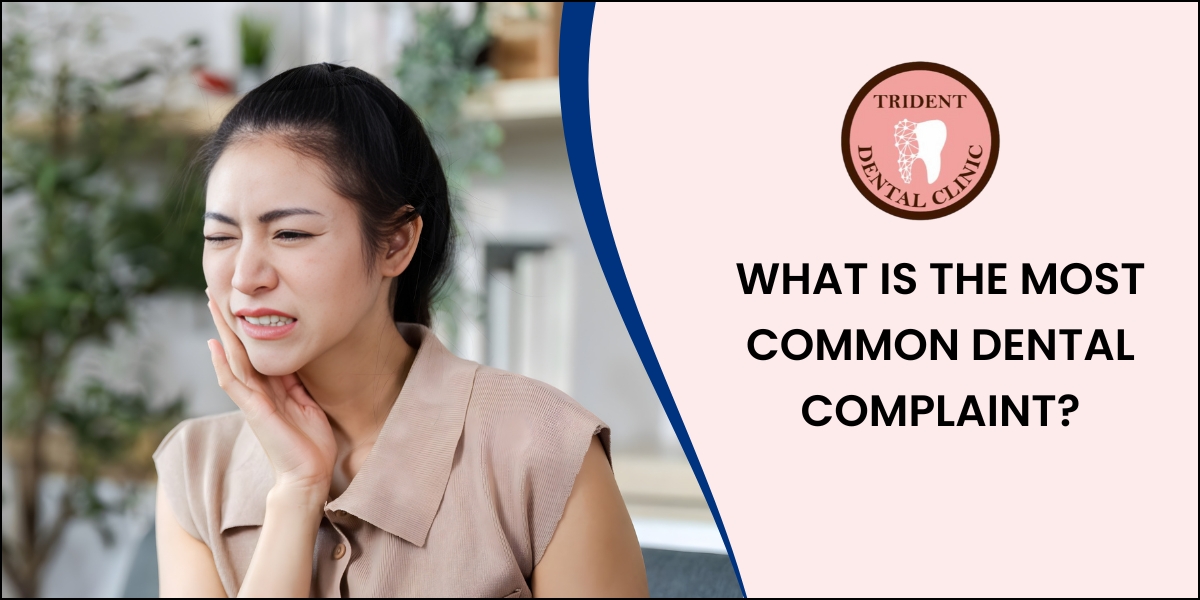
What is the most common dental complaint?
What is the most common dental complaint? If you were to walk into any dental clinic around the world and ask the dentist to name the one problem they see most often, what would it be? While you might guess cavities or stained teeth, the answer is a issue that affects millions: tooth sensitivity. That’s right. The sharp, sudden zing of pain when you enjoy an ice cream, a hot coffee, or even a breath of cool air is the single most common complaint dentists hear. While often not a dental emergency on its own, sensitive teeth can be a frustrating and persistent problem that significantly impacts your quality of life and what you feel comfortable eating and drinking. Why Are My Teeth So Sensitive? To understand sensitivity, it helps to know a little about tooth anatomy. Your teeth are protected by a hard outer layer called enamel. Underneath that is a porous tissue called dentin, which contains microscopic tubules (tiny channels) leading directly to the tooth’s nerve center (the pulp). Sensitivity occurs when the protective enamel wears down or when gums recede, exposing this underlying dentin. When hot, cold, sweet, or acidic stimuli come into contact with these open tubules, they trigger the nerve inside the tooth, resulting in that characteristic jolt of pain. Common Causes of Tooth Sensitivity Several factors can lead to the enamel erosion or gum recession that causes sensitivity: Overzealous Brushing: Brushing too hard or with a hard-bristled toothbrush can wear down enamel and cause gums to recede. Gum Disease: Inflamed and sore gum tissue can pull away from the teeth, exposing the sensitive root surfaces. Acidic Foods and Drinks: Frequent consumption of soda, citrus fruits, wine, and sports drinks can gradually erode tooth enamel. Teeth Grinding (Bruxism): Habitually clenching or grinding your teeth, often at night, can wear down the enamel. Recent Dental Procedures: It’s common to have temporary sensitivity after a filling, crown, or professional teeth whitening. What Can You Do About It? The good news is that sensitive teeth are highly treatable! Your first step should always be a visit to your dentist to rule out other issues like a cavity or a cracked tooth. Depending on the cause, your dentist may recommend: Desensitizing Toothpaste: These special toothpastes contain compounds like potassium nitrate or stannous fluoride that help block the tubules in the dentin, reducing pain signals over time. Fluoride Treatment: An in-office fluoride gel or varnish can strengthen your enamel and reduce sensations. Addressing Gum Recession: For more severe cases, your dentist might suggest a gum graft to cover the exposed root. A Night Guard: If grinding is the culprit, a custom-fitted night guard can protect your teeth from further damage. By using a soft-bristled toothbrush, watching your diet, and maintaining excellent oral hygiene, you can manage sensitivity and get back to enjoying your life—pain-free. Trident Dental Clinic in Kharadi If you’re struggling with tooth sensitivity or any other dental concern, you don’t have to live with the discomfort. At Trident Dental Clinic in Kharadi, Dr. Lipsa Patra and her team are dedicated to providing compassionate and comprehensive care. They accurately diagnose the root cause of your dental issues and create personalized treatment plans to restore your oral health and confidence. Schedule your appointment today. FAQs Q: What is the most common dental problem?A: Tooth sensitivity is the most frequent complaint, characterized by a sharp pain when teeth are exposed to hot, cold, sweet, or acidic stimuli. Q: How to stop sensitive teeth pain immediately?A: While not an instant cure, switching to a desensitizing toothpaste and avoiding extreme temperature foods/drinks can provide quick relief. For immediate care, see your dentist. Q: Why are my teeth sensitive all of a sudden?A: Sudden sensitivity can be caused by a new cavity, a cracked tooth, worn enamel from acidic foods, recent dental work, or gum recession. A dental check-up is recommended to find the cause. Recent Posts What is the most common dental complaint? How does poor oral hygiene cause diabetes Things To Know About Tooth Extraction Why Regular Teeth Cleaning Is Important for Dental Health Tips for Managing and Preventing Tooth Decay in Children and Adults Get In Touch Name(Required) First Phone(Required)Message(Required)CAPTCHA
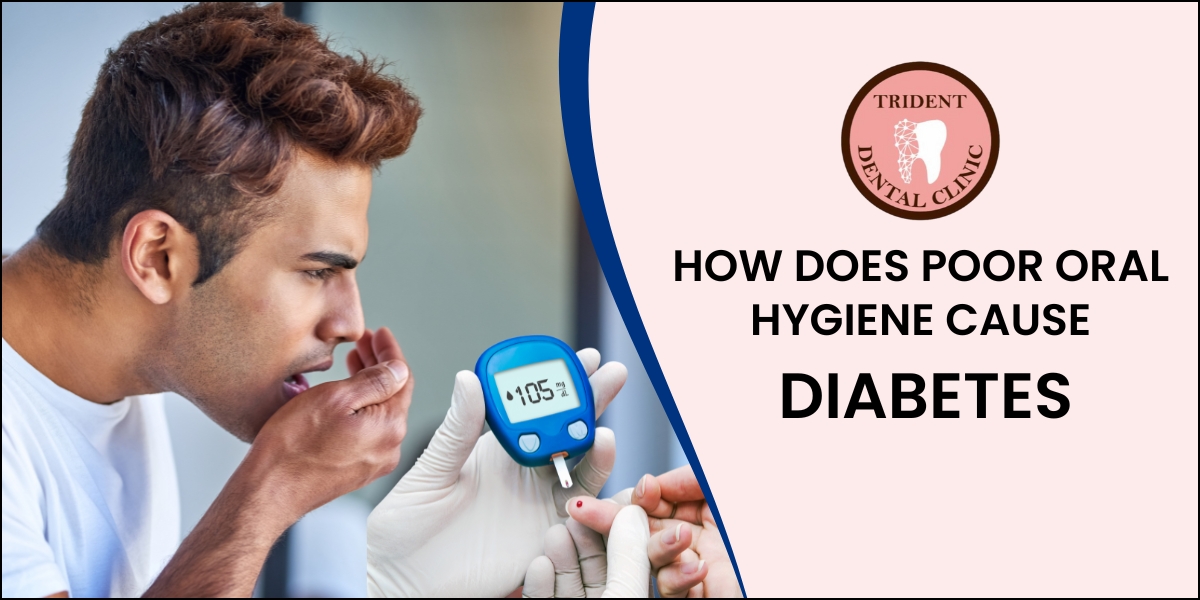
How does poor oral hygiene cause diabetes
How does poor oral hygiene cause diabetes When we think about the consequences of poor oral hygiene, we often picture cavities, gum disease, and bad breath. But what if we told you that an unhealthy mouth could have far-reaching effects on your entire body, including significantly increasing your risk for Type 2 diabetes? The connection between oral health and systemic conditions is powerful, and understanding it is crucial for your overall well-being. The Mouth-Body Connection: It Starts with Inflammation Your mouth is a gateway to your body. When you neglect brushing and flossing, a sticky film of bacteria called plaque builds up on your teeth. If not removed, this plaque hardens into tartar and can lead to gingivitis—the earliest stage of gum disease, characterized by red, swollen, and bleeding gums. If gingivitis is left untreated, it can progress to a more severe form of gum disease called periodontitis. This is a serious infection that damages the soft tissue and destroys the bone that supports your teeth. Crucially, periodontitis creates a state of chronic inflammation throughout your body. How Gum Inflammation Fuels Diabetes So, how does a mouth infection impact your blood sugar? The process involves a few key steps: Chronic Systemic Inflammation: The bacteria from periodontitis release inflammatory markers into your bloodstream. Insulin Resistance: These inflammatory substances can interfere with how your body’s cells respond to insulin, the hormone that helps regulate blood sugar. This condition is known as insulin resistance. Rising Blood Sugar: When your cells become resistant to insulin, they can’t absorb glucose effectively. This leads to higher levels of sugar in your blood, which is the hallmark of Type 2 diabetes. Furthermore, high blood sugar from diabetes creates a sweet environment in your mouth, which fuels the harmful bacteria, worsening the gum infection. This creates a dangerous two-way street where diabetes makes gum disease worse, and severe gum disease makes it harder to control blood sugar. Breaking the Cycle: Prevention is Key The good news is that this cycle can be broken. Excellent oral hygiene is not just about preserving your smile; it’s a proactive step in preventing serious systemic health issues. Brush Twice Daily: Use a fluoride toothpaste. Floss Daily: This removes plaque from between teeth where your brush can’t reach. Regular Dental Check-ups: Visit your dentist every six months for a professional cleaning and examination. If you are already diagnosed with diabetes, managing your oral health becomes even more critical. Consistent dental care can help you achieve better blood sugar control. Best Dental Health Care in Kharadi Don’t let poor oral health undermine your overall wellness. At Trident Dental Clinic, the top dental clinic in Kharadi, our expert team is dedicated to providing care that protects both your smile and your systemic health. We offer everything from routine cleanings and periodontal therapy to advanced dental treatments in a comfortable, modern environment. Protect your health from the inside out. Schedule your appointment at Trident Dental Clinic today! Frequently Asked Questions (FAQs) 1. Can bad teeth cause diabetes? While bad teeth themselves don’t directly cause diabetes, the severe gum disease (periodontitis) they can lead to creates chronic inflammation that contributes to insulin resistance, a primary driver of Type 2 diabetes. 2. How are gum disease and diabetes related? The relationship is a two-way street. Diabetes reduces the body’s resistance to infection, making gum disease more severe. Conversely, the inflammation from gum disease can make it harder to control blood sugar levels. 3. What are the dental symptoms of diabetes? Common oral signs include dry mouth, persistent bad breath, slow healing of mouth sores, bleeding gums, and an increased incidence of gum infections. 4. Can treating gum disease help diabetes? Yes. Effective treatment for gum disease, such as deep cleaning (scaling and root planing), can help reduce overall inflammation, which can lead to improved blood sugar control in diabetic patients. 5. How can a diabetic improve oral health? Diabetics should maintain meticulous oral hygiene, get regular professional cleanings, inform their dentist about their condition, and work closely with their doctor to keep their blood sugar levels well-managed. Recent Posts How does poor oral hygiene cause diabetes Things To Know About Tooth Extraction Why Regular Teeth Cleaning Is Important for Dental Health Tips for Managing and Preventing Tooth Decay in Children and Adults The Truth About Root Canals: Are They Really Painful? Get In Touch Name(Required) First Phone(Required)Message(Required)CAPTCHA
